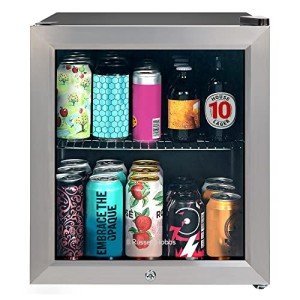
10 Wrong Answers For Common Adjustable Shelves Fridges Questions: Do You Know The Right Ones?
The Unsung Hero of Fridge Organization: Why Adjustable Shelves are a Game Changer
In the bustling heart of every kitchen area stands the refrigerator, a silent guardian of our perishable goods. Beyond its cooling expertise, the performance of a refrigerator hinges substantially on its internal design. While functions like temperature control and energy performance frequently take the spotlight, there's an unsung hero that quietly revolutionizes how we store and access our food: adjustable shelves.
These apparently simple parts are more than simply platforms to stack groceries. Adjustable shelves are the key to unlocking a fridge's true organizational capacity, offering versatility and personalization that accommodates the varied requirements of modern homes. In this post, we delve into the world of adjustable fridge shelves, exploring their advantages, types, and how they change the daily chore of food storage into a smooth and effective experience.
The Power of Customization: Why Adjustable Shelves Matter
Think of attempting to fit a tall pitcher of homemade lemonade next to a brief container of leftovers, only to understand your fixed shelves use no setups that accommodate both. This frustrating scenario is a common kitchen concern, easily solved by the ingenuity of adjustable shelves. Their main benefit depends on the individualized storage space they develop. Instead of conforming to fixed rack heights, users can adjust their fridge's interior to match the shapes and size of their groceries.
This versatility equates into a multitude of benefits that extend beyond simple convenience.
Optimize Space Utilization: Adjustable shelves eliminate squandered vertical space. By repositioning shelves, you can develop taller compartments for big items like watermelons, turkeys, or multi-tiered cakes, while concurrently crafting smaller sized, more efficient spaces for shorter items like yogurt cups, condiments, or deli meats. This effective space usage means less mess and more room for your groceries.
Enhanced Food Visibility: No more forgotten leftovers hiding at the back of a congested rack! Adjustable shelves permit much better organization, guaranteeing that items are not buried behind taller containers. This enhanced presence minimizes food waste as you are most likely to see and utilize products before they end.
Avoiding Spills and Cross-Contamination: By developing dedicated zones with adjustable shelves, you can prevent spills and cross-contamination. Tall bottles can be securely positioned on lower shelves, minimizing the danger of them falling over. Furthermore, you can create designated zones for raw meats on lower shelves and ready-to-eat foods on upper shelves, further improving food security.
Enhanced Accessibility: Reaching products at the back of a deep, fixed-shelf refrigerator can be a cumbersome job. Adjustable shelves resolve this by enabling you to raise or lower shelves to bring often-used products to more accessible heights. This is especially useful for people with mobility restrictions or those who choose effortless access to often utilized items.
Adaptability to Changing Needs: Our grocery shopping practices and dietary needs are not static. Adjustable shelves are created for these vibrant changes. Whether you are prepping for a holiday banquet, stocking up for a week, or just keeping more drinks for a summertime gathering, the flexibility of adjustable shelves allows your refrigerator to adapt to your ever-evolving storage requirements.
Exploring the Variety: Types of Adjustable Shelves
While the core idea of adjustability remains consistent, refrigerator shelves been available in a range of materials and change mechanisms. Comprehending these distinctions can assist you value the nuances of your refrigerator's design.
By Material:
Tempered Glass Shelves: These are perhaps the most popular type discovered in modern refrigerators. Tempered glass shelves are understood for their toughness, strength (capable of holding substantial weight), and ease of cleaning. They likewise use exceptional visibility due to their transparency, enabling light to permeate deeper into the refrigerator. Lots of tempered glass shelves are likewise developed to be spill-proof, including raised edges which contain unexpected spills and avoid them from dripping onto lower shelves.
Wire Shelves: Historically, wire shelves were more typical. While they are still found in some models, they are generally less favored compared to glass shelves. Wire shelves are frequently more inexpensive however can be less stable and harder to clean up due to their open grid style. Small products can likewise tip over or fail the spaces. They use less exposure compared to glass shelves and are not usually spill-proof.
Plastic Shelves: Some refrigerators, particularly affordable models, might include plastic shelves. While lighter and possibly more impact-resistant than glass, plastic shelves can be less resilient in the long run, vulnerable to scratching, and might not support as much weight as tempered glass. Their cleanability can differ depending on the type of plastic used.
By Adjustment Mechanism:
Sliding Shelves: These shelves can be taken out towards you, similar to drawers, offering easier access to products saved at the back. Moving shelves are particularly valuable for reaching products in deep refrigerators and can be a fantastic function for those with limited reach.
Cantilever Shelves (Adjustable Height): This is the most common type of adjustable shelf. They usually connect to vertical supports inside the fridge and can be gone up or down to various slots or grooves, allowing you to tailor the vertical spacing between shelves.
Split Shelves: These shelves are divided into two halves, with one half often able to move below the other. Split shelves are extremely versatile, permitting you to develop tall areas on one side of the rack while maintaining a full rack surface on the other. This is particularly beneficial for accommodating high items without sacrificing an entire shelf level.
Collapsible Shelves: Similar to split shelves, foldable shelves use flexibility but by folding a section of the shelf upwards or downwards. This produces instantaneous vertical space for taller products without needing to eliminate or reposition the whole rack.
Adjusting Your Shelves: A General Guide
While specific mechanisms may vary a little between refrigerator brands and designs, the general procedure of changing shelves is normally simple.
General Steps (Always describe your refrigerator's user handbook for specific instructions):
- Empty the Shelf: Before attempting to adjust any shelf, ensure it is completely empty. Removing all products will make the rack lighter and simpler to manage, preventing accidental spills or damage.
- Find the Release Mechanism: Identify how the rack is secured to the refrigerator walls. This may include:
- Lifting and Tilting: Many cantilever shelves are launched by gently lifting the front edge of the shelf and tilting it upwards slightly. This disengages the rack from the support brackets or slots.
- Sliding or Pulling: Some shelves may have clips or levers that need to be moved or pulled to release them.
- Pressing or Depressing Tabs: Certain models might have tabs or buttons that need to be pressed or depressed to unlock the shelf.
- Remove the Shelf Carefully: Once released, carefully get rid of the shelf from its existing position.
- Choose the New Position: Select the desired height level in your refrigerator for the shelf.
- Re-insert the Shelf: Align the rack with the chosen support brackets or slots and gently slide or lower it into location till it is firmly locked. You need to usually hear a click or feel the shelf settle securely.
- Test for Stability: After re-installing the rack, carefully test its stability to ensure it is firmly in place and will support the weight of your groceries.
Tips for Maximizing Organization with Adjustable Shelves
- Plan First, Adjust Later: Before rearranging shelves, take a moment to assess your present needs. Consider the kinds of groceries you generally purchase and determine any storage challenges.
- Group Similar Items: Organize your fridge by food categories. Usage greater shelves for ready-to-eat foods, middle shelves for dairy and drinks, and lower shelves for raw meats and produce (in crisper drawers if offered).
- Utilize Vertical Space Optimally: Adjust shelves to minimize spaces between the top of your groceries and the underside of the shelf above. This makes the most of vertical space and prevents items from getting lost or obscured.
- Front to Back Arrangement: Place products with shorter expiration dates towards the front of the shelves and longer-lasting items towards the back. This promotes much better food rotation and lowers waste.
- Think About Shelf Liners: For wire shelves, consider using clear plastic shelf liners to create a smoother, more steady surface area and prevent small items from toppling.
Maintaining Your Adjustable Shelves
Keeping your fridge shelves tidy is crucial for health and food security. The majority of adjustable shelves (specifically glass and many plastic types) are created to be easily eliminated for cleaning.
- Routine Cleaning: Wipe down shelves regularly with a damp fabric and mild dish soap to get rid of spills and food residue.
- Deep Cleaning: Periodically, get rid of shelves and clean them thoroughly in warm, soapy water. Ensure they are completely dry before re-installing them.
- Spill Prevention: While spills are inevitable, timely cleansing is key. Clean up spills instantly to avoid them from drying and ending up being challenging to remove.
- Avoid Harsh Cleaners: Avoid utilizing abrasive cleaners or severe chemicals on your shelves, as these can harm the surface, specifically for plastic or covered wire shelves.
Who Benefits Most from Adjustable Shelves?
The appeal of adjustable shelves is their universal appeal. They benefit virtually anyone who utilizes a fridge! However, certain groups might find them especially helpful:
- Families: Larger households with varied grocery needs and differing amounts of food will significantly gain from the modification and space optimization offered by adjustable shelves.
- Frequent Entertainers: Those who frequently host gatherings or cook for larger groups will value the flexibility to accommodate plates, large meals, and beverages.
- People Focused on Food Waste Reduction: Adjustable shelves contribute to much better food presence and company, helping to lessen food putridity and waste.
- Those with Limited Mobility: Adjustable shelves improve accessibility, making it simpler to reach items, specifically for individuals with mobility challenges.
- Anyone who values an Organized Kitchen: For those who merely appreciate a tidy and efficient kitchen area area, adjustable shelves are vital for developing a well-organized and practical fridge.
Conclusion: Embracing the Flexibility of Adjustable Shelves
Adjustable shelves are not simply a small function in refrigerators; they are a cornerstone of effective food storage and company. They empower users to tailor their fridge's interior to their particular needs, making the most of area, enhancing food exposure, and improving overall benefit. By understanding the kinds of adjustable shelves and mastering their adjustment, you can open the full potential of your fridge and change the method you store and access your groceries. In a world where kitchen efficiency is significantly valued, adjustable refrigerator shelves stand out as an easy yet profoundly impactful design component that really makes life in the kitchen area a little much easier and a lot more arranged.
- * *
Frequently Asked Questions (FAQs) about Adjustable Refrigerator Shelves
Q: Are all fridge shelves adjustable?A: No, not all refrigerators come with adjustable shelves. While they are a common feature in many modern models, particularly those in mid-range and higher rate points, some standard or older refrigerators might have repaired shelves. Constantly check Countertop Fridges Frydge or functions when acquiring a fridge to confirm if it consists of adjustable shelves.
Q: Can I adjust the shelves while the refrigerator is full?A: It is highly suggested to clear the shelf before changing it. Adjusting shelves while packed can be difficult, unstable, and might lead to items falling or spilling. It likewise puts unnecessary stress on the shelf and its assistance mechanisms.
Q: What if my fridge shelves are stuck and hard to adjust?A: If your shelves are tough to change, very first guarantee you are using the proper release mechanism for your design (describe your user manual). Avoid forcing the shelves, as this might harm the brackets or the shelves themselves. Often, a build-up of sticky residue or frost can make shelves harder to move. Attempt cleansing the shelf supports and the shelf edges. If the problem continues, consult your fridge's user manual or contact the maker's client assistance.
Q: Can I include adjustable shelves to an older refrigerator with repaired shelves?A: Retrofitting adjustable shelves into a fridge created with repaired shelves is normally not advised and can be complex or perhaps difficult. The fridge's internal structure and support group are developed particularly for repaired shelves. Trying to customize it might jeopardize the structural integrity and possibly void any warranty. It's generally more useful to think about buying a brand-new refrigerator with adjustable shelves if this function is a priority.
Q: Are glass shelves always much better than wire shelves?A: Glass shelves provide several benefits, consisting of much better presence, spill-proof design, ease of cleaning, and a more superior aesthetic. However, wire shelves can be more affordable and, in some older designs, might offer much better air flow. The “much better” alternative ultimately depends upon specific requirements and preferences, however tempered glass shelves are generally considered a better and practical function in modern refrigerators.
Q: How do split shelves work?A: Split shelves are developed with a front and rear area. Usually, the front section can move beneath the rear section. This allows you to produce a high space at the front of the shelf (by sliding the front section back) while preserving a full-depth shelf at the rear for other products. This is a really flexible function for accommodating tall items without losing shelf space.